
Ultimate Guide to Forex Trading Platforms
Ultimate Guide to Forex Trading Platforms
In the fast-paced world of forex trading, choosing the right trading platform is crucial for success. A trading platform is the software used by traders to manage their accounts, place trades, and analyze market movements. With hundreds of platforms available, from those tailored for beginners to advanced systems designed for experienced traders, it can be challenging to find the one that suits you best. This comprehensive guide will navigate through the essential features, benefits, and considerations for selecting a forex trading platform, with relevant links to resources like trading platform for forex tradingarea-ng.com for further information.
Understanding Forex Trading Platforms
Forex trading platforms are interfaces provided by brokers to facilitate trading in currency markets. They offer functionalities that allow traders to execute trades, monitor the market, and analyze price movements. Platforms can be web-based, downloadable, or mobile apps, each with its own unique set of features and benefits tailored to different trading styles.
Types of Trading Platforms
1. **Web-based Platforms:** These platforms allow users to trade directly from their web browsers without the need for any downloads. They are convenient, especially for traders who are always on the move.
2. **Desktop Platforms:** Downloadable software that provides extensive functionalities and tools for traders. They usually offer better performance and advanced features compared to web-based platforms.
3. **Mobile Platforms:** Mobile applications designed for convenient trading on the go. They provide many of the same features as desktop platforms, allowing you to monitor your trades and markets anytime, anywhere.
Key Features of Forex Trading Platforms
User Interface and Ease of Use
A user-friendly interface is paramount for any trading platform. A clean layout and intuitive navigation allow traders to easily access information and execute trades quickly. During times of high volatility, having an accessible platform can make a significant difference in trading outcomes.
Charting Tools and Indicators
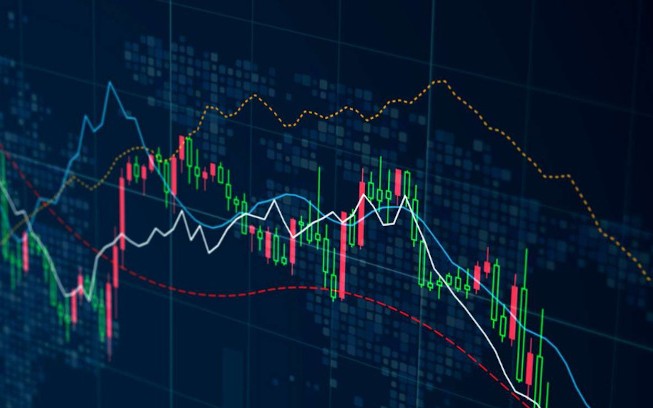
Robust charting tools are essential for both technical and fundamental analysis. High-quality trading platforms offer various types of charts, including line, candlestick, and bar charts, along with a wide range of technical indicators like Moving Averages, RSI, and MACD. This capability enables traders to analyze market trends effectively and make informed trading decisions.
Order Execution Speed
Speed to execute trades can impact profitability. Delays in execution can lead to slippage, potentially eating into potential profits. It is essential to choose a trading platform with a reputation for fast and reliable order execution.
Security Features
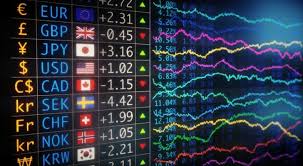
Forex trading involves handling sensitive financial information, so the platform’s security protocols are critical. Look for platforms that offer encryption, two-factor authentication, and other security measures to protect your personal and financial data.
Choosing the Right Trading Platform
When selecting a trading platform, consider the following factors:
- Regulation: Ensure that the platform is regulated by a reputable authority, providing peace of mind and safety in your trading activities.
- Fees and Spreads: Evaluate the cost structure of the platform, including spreads, commissions, and withdrawal fees, which can significantly impact your trading budget.
- Customer Support: Reliable customer support is crucial, especially for novice traders who may require assistance. Ensure the platform offers multiple support channels, including live chat, email, and phone support.
- Trading Instruments: Some platforms allow access to a broader range of instruments beyond forex, such as commodities, cryptocurrencies, and stocks. If you’re interested in diversifying your portfolio, choose a platform that meets those needs.
Popular Forex Trading Platforms
Here’s a list of some of the most popular forex trading platforms among traders:
MetaTrader 4 (MT4)
MT4 is one of the most widely used trading platforms globally, known for its comprehensive charting capabilities, automated trading features (Expert Advisors), and vast community support. Its user-friendly design makes it suitable for beginners, while its advanced tools cater to seasoned traders.
MetaTrader 5 (MT5)
The successor to MT4, MT5, includes more features such as additional timeframes, an economic calendar, and improved order types. It supports more asset classes, making it a great choice for traders looking to diversify.
cTrader
cTrader is known for its intuitive interface and powerful trading tools. It offers advanced charting, a wide range of indicators, and features like Level II pricing, appealing to both novice and experienced traders.
NinjaTrader
NinjaTrader is favored by futures and forex traders for its advanced analytical capabilities, offering excellent charting and backtesting features tailored for algorithmic trading.
Conclusion
Choosing the right forex trading platform can significantly influence your trading experience and profitability. By understanding the available options, key features, and what to look for in a platform, traders can make informed decisions that align with their trading strategies and goals. Remember to take your time evaluating each platform, utilizing demo accounts when available, and ensuring that the platform of choice supports your trading ambitions.
Write a Comment