
The Ultimate Guide to Currency Trading Mastering Forex

The Ultimate Guide to Currency Trading: Mastering Forex
Currency trading, also known as forex trading, is one of the largest financial markets in the world. With a daily trading volume exceeding $6 trillion, forex offers unparalleled opportunities for investors and traders looking to profit from currency fluctuations. For those interested in diving into this exciting field, it’s crucial to understand the nuances that set forex apart from other financial markets. You can start exploring this world by finding reliable platforms like currency trading forex Forex Brokers in Kuwait.
What is Forex Trading?
Forex trading involves buying one currency while simultaneously selling another. Currencies are quoted in pairs, such as EUR/USD (Euro/US Dollar) or USD/JPY (US Dollar/Japanese Yen). The first currency in the pair is the base currency, and the second is the quote currency. The exchange rate reflects how much of the quote currency is needed to purchase one unit of the base currency.
How Forex Trading Works
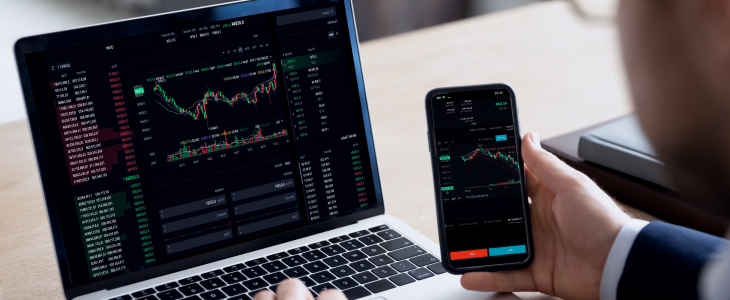
Forex trading takes place over the counter (OTC), meaning there isn’t a centralized exchange. Traders can operate through banks, brokers, or online platforms. The forex market is open 24 hours a day during the weekdays, providing traders with the flexibility to trade from anywhere worldwide. This also allows for high volatility, resulting in fluctuations which can lead to significant profit potential as well as risk.
Key Players in Forex
Various participants drive the forex market, including:
- Centrals Banks: They influence currency rates through monetary policy and interventions.
- Commercial Banks: Major financial institutions that trade in high volumes on behalf of clients and themselves.
- Hedge Funds: These funds trade currencies to manage risks or speculate on currency movements.
- Retail Traders: Individual investors who trade from their personal accounts.
Understanding Currency Pairs
Each currency pair consists of two currencies and is quoted based on the value of one currency in relation to another. For example, in the EUR/USD pair, if the exchange rate is 1.20, it means that 1 Euro can be exchanged for 1.20 US Dollars.
There are three main types of currency pairs:
- Major pairs: These include the most traded currencies such as EUR/USD, USD/JPY, and GBP/USD.
- Minor pairs: These are less commonly traded pairs, like EUR/GBP or AUD/NZD.
- Exotic pairs: Involves a major currency and a currency from a developing economy, like USD/THB (US Dollar/Thai Baht).
Strategies in Forex Trading
Successful forex trading requires a well-thought-out strategy. Here are some common approaches:
- Scalping: Involves making numerous trades throughout the day to capitalize on small price movements.
- Day Trading: Traders enter and exit positions within the same trading day.
- Swing Trading: A longer-term approach where traders hold positions for several days to capture price changes.
- Position Trading: Traders hold onto their positions for weeks or months, based on long-term outlooks.
Risk Management in Forex Trading
Risk management is essential in forex trading to protect your capital. Here are some key measures to implement:
- Set Stop Loss Orders: This allows you to limit losses on a position by specifying a price at which you will exit the trade if it moves against you.
- Use Proper Position Sizing: Determine the appropriate amount of capital to risk on each trade.
- Diversify Your Trades: Avoid putting all your capital into a single trade or currency pair.

The Role of Economic Indicators
Economic indicators heavily influence currency values. Key indicators include:
- Interest Rates: Higher interest rates typically increase a currency’s value as they offer better returns on investments.
- Employment Data: Health in the job market can reflect a nation’s economic strength.
- Inflation Rates: Lower inflation can benefit a currency’s value, making imports cheaper.
Choosing a Forex Broker
Selecting the right forex broker is crucial for trading success. Here are criteria to consider:
- Regulation: Ensure the broker is regulated by a reputable authority to mitigate risks.
- Trading Platform: Look for a user-friendly platform with advanced analytical tools.
- Spreads and Fees: Evaluate the cost of trading, as higher spreads can eat into profits.
- Customer Support: Reliable customer service can enhance your trading experience.
Forex Trading Platforms
Many platforms are available for trading forex, with some popular ones including MetaTrader 4 (MT4), MetaTrader 5 (MT5), and cTrader. These platforms offer various features such as:
- User-friendly interfaces
- Technical analysis tools
- Automated trading options
Conclusion
Engaging in currency trading can be both exciting and rewarding. However, it requires a solid understanding of the market dynamics, sound strategies, and the capacity to manage risks effectively. By educating yourself about the fundamentals and leveraging the tools available in the market, you can embark on your forex trading journey with confidence. Remember, continuous learning and practice are key to becoming a successful forex trader.
Write a Comment