
The Rise of Forex Trading Companies A Comprehensive Guide 1705228500
The Rise of Forex Trading Companies: A Comprehensive Guide
In recent years, the popularity of foreign exchange (forex) trading has surged, making it one of the most lucrative sectors within global financial markets. With forex trading companies emerging as key players in this domain, aspiring traders are often left wondering how to navigate this dynamic landscape. Whether you are a seasoned trader or just beginning your journey, understanding how to choose the right forex trading company forex-vietnam.net and leveraging its resources is crucial for success.
What Is Forex Trading?
Forex trading involves the buying and selling of currencies from around the world to capitalize on fluctuations in exchange rates. Unlike stock markets, forex markets operate 24 hours a day, five days a week, allowing traders to respond to news and events as they happen. With an average daily trading volume exceeding $6 trillion, forex is the largest and most liquid financial market globally.
The Role of Forex Trading Companies
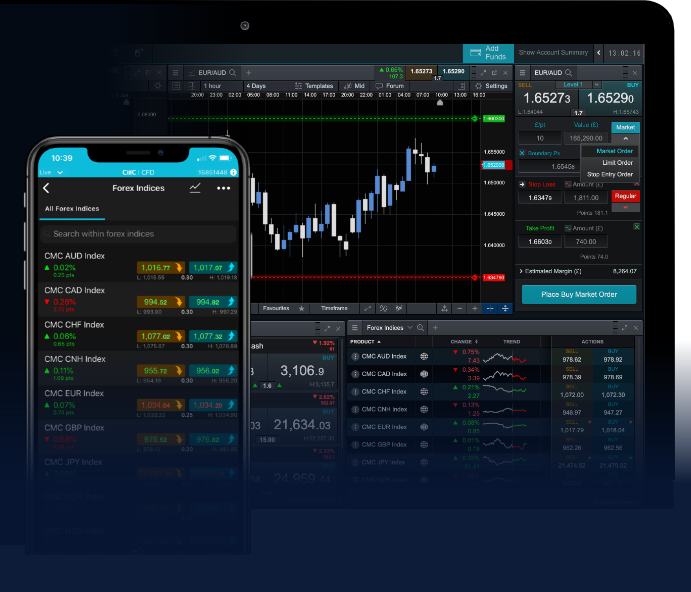
Forex trading companies act as intermediaries between retail traders and the global forex market. They provide platforms that allow traders to execute their transactions, access market information, and utilize various tools for technical analysis. These companies can also offer additional services, such as educational resources, market insights, and customer support.
Types of Forex Trading Companies
Forex trading companies typically fall into two main categories: brokers and market makers. Understanding the difference between these two types is essential for traders when selecting a company.
1. Forex Brokers
Forex brokers facilitate trades for their clients and usually act as intermediaries between market participants. There are two main types of brokers:
- ECN Brokers: Electronic Communication Network (ECN) brokers connect traders directly to the interbank market, providing transparency and better spreads. They charge a commission on trades rather than marking up the spread.
- STP Brokers: Straight-Through Processing (STP) brokers route client orders to liquidity providers without passing them through a dealing desk. This reduces delays and can lead to better pricing.
2. Market Makers
Market makers, on the other hand, provide liquidity by taking the opposite side of a trade. They accept orders and match them with other traders within their own system. This can result in wider spreads than those offered by ECN or STP brokers but may provide faster execution.
How to Choose the Right Forex Trading Company
Selecting the right forex trading company can significantly impact your trading experience and performance. Here are some crucial factors to consider:
1. Regulation
Ensure that the forex trading company is regulated by a reputable authority, such as the Financial Conduct Authority (FCA) in the UK or the Commodity Futures Trading Commission (CFTC) in the US. Regulation provides a level of security and trustworthiness, ensuring that the broker adheres to ethical practices.
2. Trading Platform
The trading platform offered by the company is where you will spend most of your time as a trader. Look for a user-friendly interface, advanced charting tools, and a mobile-friendly option. MetaTrader 4 (MT4) and MetaTrader 5 (MT5) are popular choices due to their robust features.
3. Spreads and Commissions
Understand the cost structure of the forex trading company. Compare spreads and commissions across different brokers, as they can significantly impact your trading profitability. Some companies may offer zero commissions but wider spreads, while others may charge a commission and provide tighter spreads.
4. Customer Support
Reliable customer support is essential, especially for new traders. Check if the forex trading company offers multiple channels for support, such as live chat, phone support, and email. Also, consider the availability of their support team, especially during trading hours.
Advantages of Trading with Forex Companies
Trading with established forex trading companies offers several advantages:
1. Access to Education
Many forex trading companies provide educational resources to help traders improve their skills. This can include webinars, articles, tutorials, and even demo accounts for practice.
2. Advanced Tools and Analytics
Forex companies often provide advanced trading tools and analytics to help traders make informed decisions. These tools can include real-time quotes, charting tools, and risk management features.
3. Variety of Trading Instruments
In addition to major currency pairs, forex trading companies often offer access to a variety of trading instruments, including commodities, indices, and cryptocurrencies, allowing for diversified trading strategies.
Challenges and Risks
While trading with forex companies can be profitable, it also comes with its set of challenges and risks:
1. Market Volatility
The forex market is known for its high volatility, which can lead to significant losses if not managed properly. Traders must be prepared to manage their risk effectively.
2. Scams and Unregulated Brokers
The rise in retail forex trading has also attracted unscrupulous players. Always ensure that any forex trading company you consider is regulated and has a good reputation within the trading community.
Conclusion
In summary, forex trading companies play a pivotal role in facilitating the trading of currencies on a global scale. By understanding the different types of companies available, the importance of regulation, the trading platforms, and tools they offer, you can make an informed choice. As you embark on your trading journey, remember that education and risk management are key to achieving long-term success in the volatile world of forex trading.
Write a Comment